May 20, 2026
The Utah ADU House Hack: Turn a Basement or Backyard Unit Into Cash Flow
House HackingReal Estate InvestingADUsFirst-Time Buyers
Tourism-Driven Cash Flow
Higher income potential than long-term leases — when you pick the right market, clear the regulations, and underwrite honestly. Here's how to do it without learning the hard way.
Book a Free Strategy CallA short-term rental (STR) is any property rented out by the night, week, or month — typically through Airbnb, VRBO, or direct booking. In tourism-heavy markets, they can produce two to three times the gross revenue of a long-term lease. They can also produce zero if you buy in the wrong city or model occupancy too aggressively. Strategy matters.
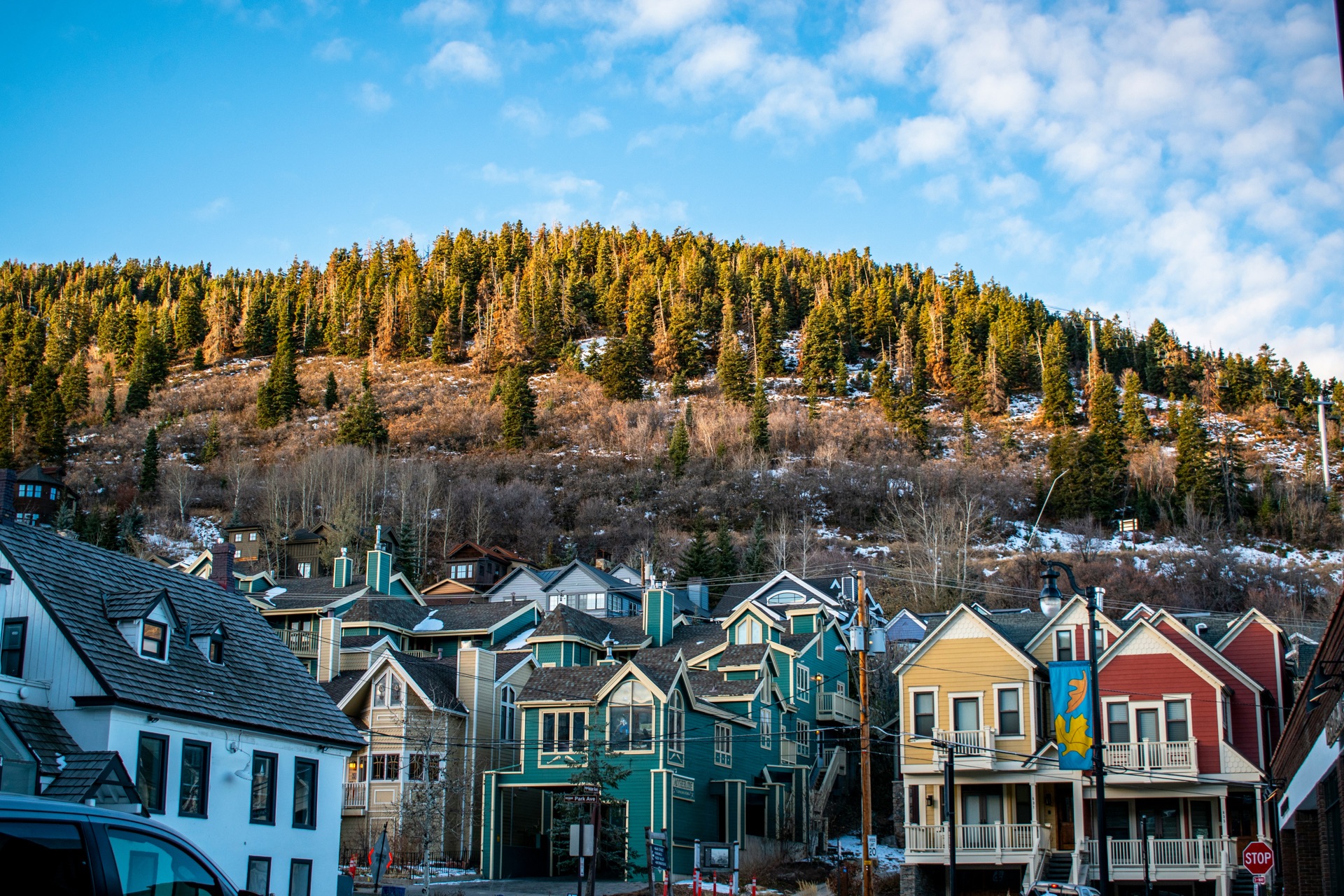
Cabins, condos, and homes in Utah's destination markets — Park City for ski season, Moab for the national parks, St. George near Zion. Highest nightly rates and the strongest brand recognition, but seasonal swings mean you have to underwrite the slow months as carefully as the peaks.
Salt Lake City condos and homes catering to corporate travelers, conference attendees, Sundance visitors, and weekend tourists. Steadier year-round demand than the resort markets, lower ADRs — but Salt Lake's STR rules are strict and many neighborhoods are off-limits without a non-conforming permit.
30+ day furnished stays for traveling nurses, relocating families, and remote workers on extended trips. Lower nightly rates but far fewer turnovers, fewer headaches, and — crucially — a path around most short-term rental bans, since most cities only regulate stays under 29 nights.
MARKETS DEEP DIVE
Utah is a tale of five very different STR markets. Each one has its own seasonality, ADR ceiling, occupancy floor, and regulatory headaches. Pick wrong and even a beautiful property won't pencil.
The crown jewel — and the most expensive entry. Two world-class ski resorts, Sundance, and a year-round outdoor scene drive demand. Winter ADRs hit $400–$900+ for well-appointed condos and cabins; summer settles to $200–$400.
Gateway to Arches and Canyonlands. ADRs run $200–$450 in shoulder season (March–May, Sept–Oct), brutal heat dampens July–August, and winter can be quiet. Inventory is tight because the city has effectively capped new STR permits.
Springdale sits at Zion's mouth — premium ADRs ($250–$500), strict permitting. St. George itself is more flexible: large pool homes, golf-resort condos, and pickleball travel drive solid year-round demand. Winter snowbird season is a real second peak.
Steadier demand than the resorts — corporate travel, conferences at the Salt Palace, Sundance overflow, ski-base access, and weekend tourism. ADRs $150–$300 for condos and homes near downtown or the ski canyons. The big asterisk: the city restricts whole-home STRs in most residential zones.
The Park City alternative — 20 minutes east, often half the price per square foot. Demand spills over from Park City during peak weeks; resort-zoned communities like Red Ledges and Soldier Hollow drive most of the rentable inventory. Wasatch County is more permissive than Summit, but zoning still rules.
Powder Mountain, Snowbasin, and Nordic Valley — three ski resorts, far less crowded than Park City, and entry prices that still make sense. Ogden Valley has been one of the fastest-appreciating STR markets in the state. The trade-off: smaller demand pool and shorter peak windows.
READ THIS BEFORE YOU OFFER
The single fastest way to torch an STR investment in Utah is to buy a property that legally cannot be a short-term rental. Regulations vary city by city, neighborhood by neighborhood, and HOA by HOA. A property that would cash flow at $80K a year as an STR is just an expensive long-term rental if the city won't permit it.
Park City limits STRs to specific overlay zones. Salt Lake City bans whole-home STRs in most residential zones outright. Moab has effectively stopped issuing new permits — you have to buy a property where one already exists. Always verify the parcel's zoning AND the city's STR ordinance before going under contract.
Even if the city allows it, the HOA can ban it. Many Utah condo and townhome HOAs prohibit rentals under 30 days, some prohibit rentals entirely. Pull the CC&Rs and the HOA rules during your inspection period — and look for any pending rule changes at the next board meeting.
Most Utah STR cities require a business license, a transient room tax (TRT) registration, and often a separate STR permit with annual renewal. Plan for combined sales + lodging tax of roughly 10–13% depending on the city. Airbnb collects some of it automatically; the rest is on you.
STR regulations in Utah have tightened significantly over the last five years and are still moving. Buy with that in mind: focus on markets where STR is part of the economic identity (Park City, Moab, Springdale) rather than markets where it's politically contested. Mid-term rental capability is a smart hedge — if rules tighten, a 30+ day strategy usually still works.
STRs look great on a spreadsheet until you account for the four costs every new investor underestimates. Model these conservatively — if the deal still works, it's a real deal.
Average daily rate (ADR) × occupancy × 365. Pull comps from AirDNA or similar — and use the bottom third of comparable listings, not the top. Aspirational underwriting kills deals.
Full-service property management runs 20–30% of gross revenue in Utah's resort markets. If you self-manage, you save the fee but trade it for hours — guest communication, turnovers coordination, maintenance calls.
$120–$300 per turnover depending on size. Most owners pass cleaning fees to guests, but a high-turnover STR with three-night average stays burns through cleaners fast and you'll absorb extras like deep cleans, restocking, and damage.
Plan $15K–$40K up front to furnish, decorate, and stock a Utah STR. This is real money that hits before your first booking. Cheap furnishings get bad reviews; bad reviews tank occupancy. Budget for quality.
Park City 3BR cabin, ski-zone overlay
Modest year-one cash flow — the real wealth comes from appreciation, principal paydown, and tax depreciation on a fully-furnished STR. Refurnish budget: $30K up front.
ACTION PLAN
From picking your market to your first five-star review — eight concrete steps that keep you out of the most expensive mistakes.
Match your capital and risk tolerance to the right market. Park City buys cash flow + appreciation but needs $700K+. Ogden Valley and Heber are accessible alternatives. St. George works for snowbirds; Moab works if you can find a permit.
Before writing a single offer: confirm zoning, pull HOA CC&Rs, check permit availability, and verify any caps. This single step prevents the most expensive mistake in STR investing.
Pull comps from AirDNA, Rabbu, or similar. Use the bottom third of comparable listings, not the average. Stress-test at 50% occupancy and 80% of ADR — if it still works, it's a real deal.
STRs are typically purchased as second homes (10% down) or investment properties (20–25% down). DSCR loans are an option for investors with multiple properties. Find a lender who actually understands STR underwriting.
In capped markets like Moab, look specifically for properties with transferable STR permits. In overlay-zone markets, work with an agent who knows the parcel-by-parcel rules. Inventory turns over fast in resort markets.
Budget $15K–$40K and don't cut corners on beds, mattresses, kitchen, and photography. Pro photos pay for themselves in 2–3 bookings. List on Airbnb AND VRBO at minimum; consider direct-booking once you have reviews.
Your first 10 reviews determine the next 12 months of revenue. Discount aggressively early, over-deliver on cleanliness and communication, and ask every happy guest to leave a review. Five-star average is the goal.
Self-management with tools like Hospitable or Hostfully can be a 5–10 hr/week job and saves the 20–30% management fee. Full-service management buys back your time but eats most of your cash flow. Honest math: which trade do you actually want?


Investor Wins
Real Google reviews from Utah investors building wealth through real estate.
"Jocelyn is amazing to work with. She was actively looking with me for a duplex every day. I was out of state during an open house and she walked through for me on FaceTime. We landed the perfect property for me."

"I had the pleasure of working with Jocelyn on a duplex transaction in South Salt Lake. From start to finish, she was fantastic. She was always responsive and a true professional."

"Jocelyn was incredibly patient and attentive, and she's a wealth of knowledge. Beyond understanding the market, she is super crafty when it comes to fixing/renovating things."

Let's find a property in the right Utah market — with the right zoning, the right numbers, and a real path to cash flow.
Book a Free Strategy Call